
Termite Damage Repair & Restoration in Pensacola, FL
Highpointe DBR has many years of experience identifying and repairing termite damage in Gulf Coast homes and structures.
As a homeowner, finding out you have termite damage can feel like a nightmare come true. Our experienced team can help identify the cause, determine the scope of the damage, and provide long-term solutions for repairs and preventing future termite infestations.
Why Termite Damage Occurs
In most termite damage cases we’ve seen here on the Gulf Coast of Florida (include Alabama or other states, too?), the process of discovering the problem follows a predictable pattern. First, a homeowner typically approaches us with a complaint of water damage. Many times, the first indication of water intrusion is discolored or water-stained ceilings, failing paint on windowsills or other trim, and the presence of mold or mildew on walls or floor coverings.
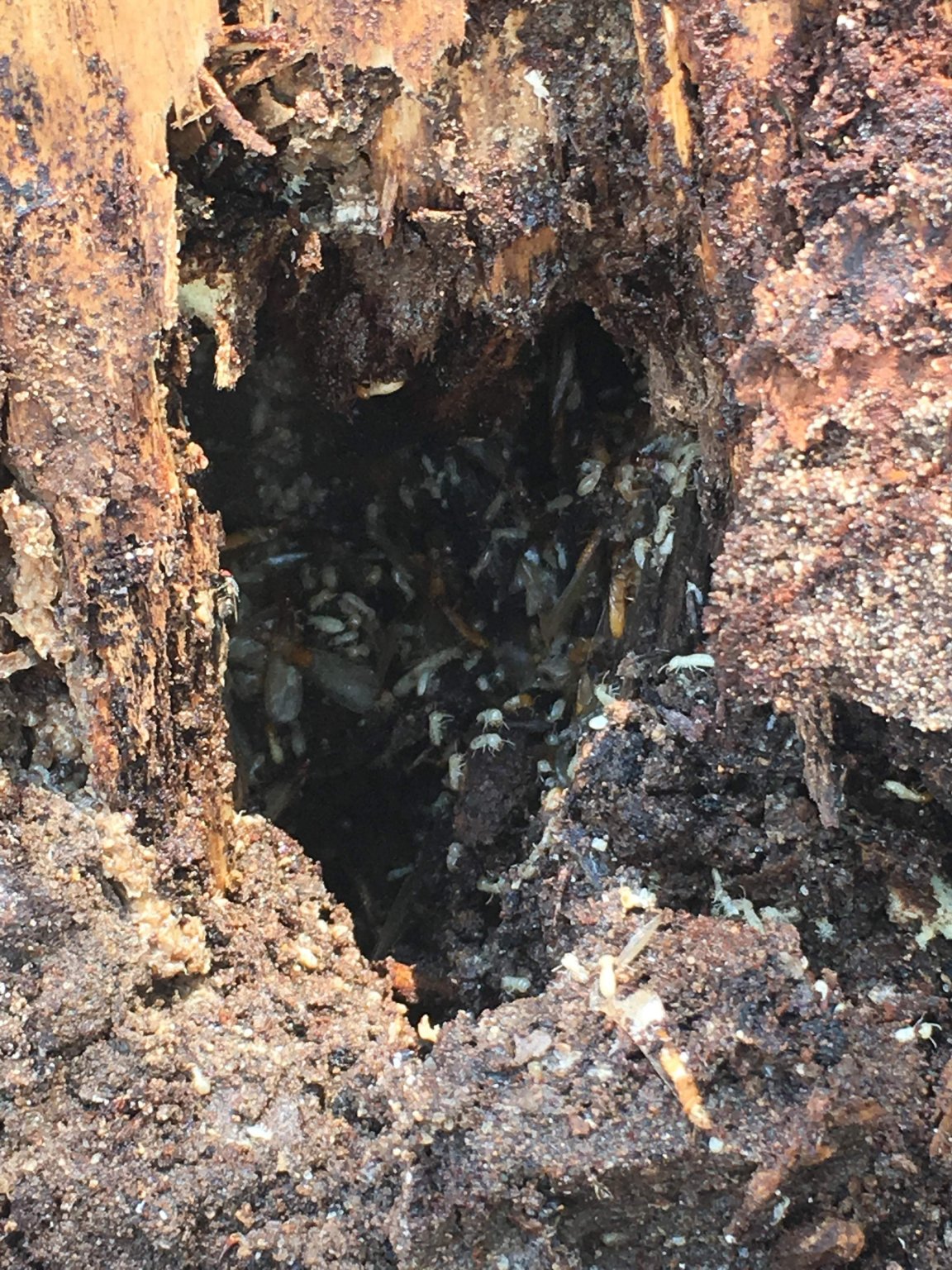
The origin of the moisture intrusion can be from any number of sources, including faulty plumbing, failed or improperly applied caulking, or improperly installed windows and doors. Regardless of the source of the water, once it is in your walls it provides the perfect environment for termites to feed and grow large colonies: wet wood in a warm, dark, enclosed space.
Determining the Scope of the Damage
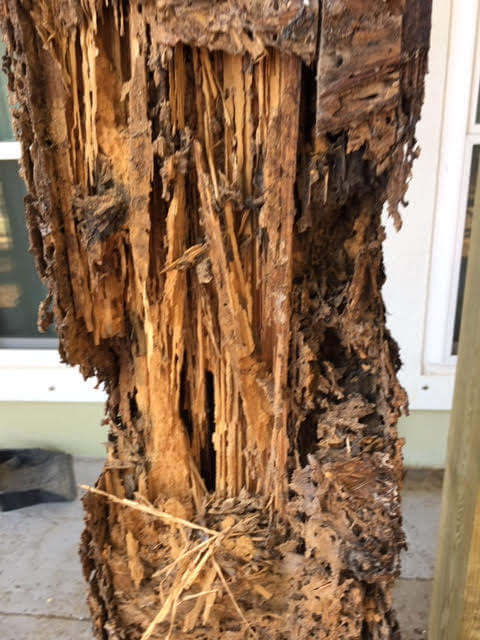
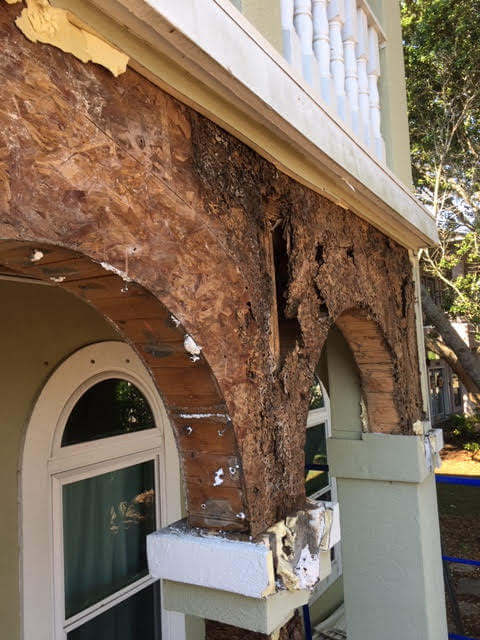
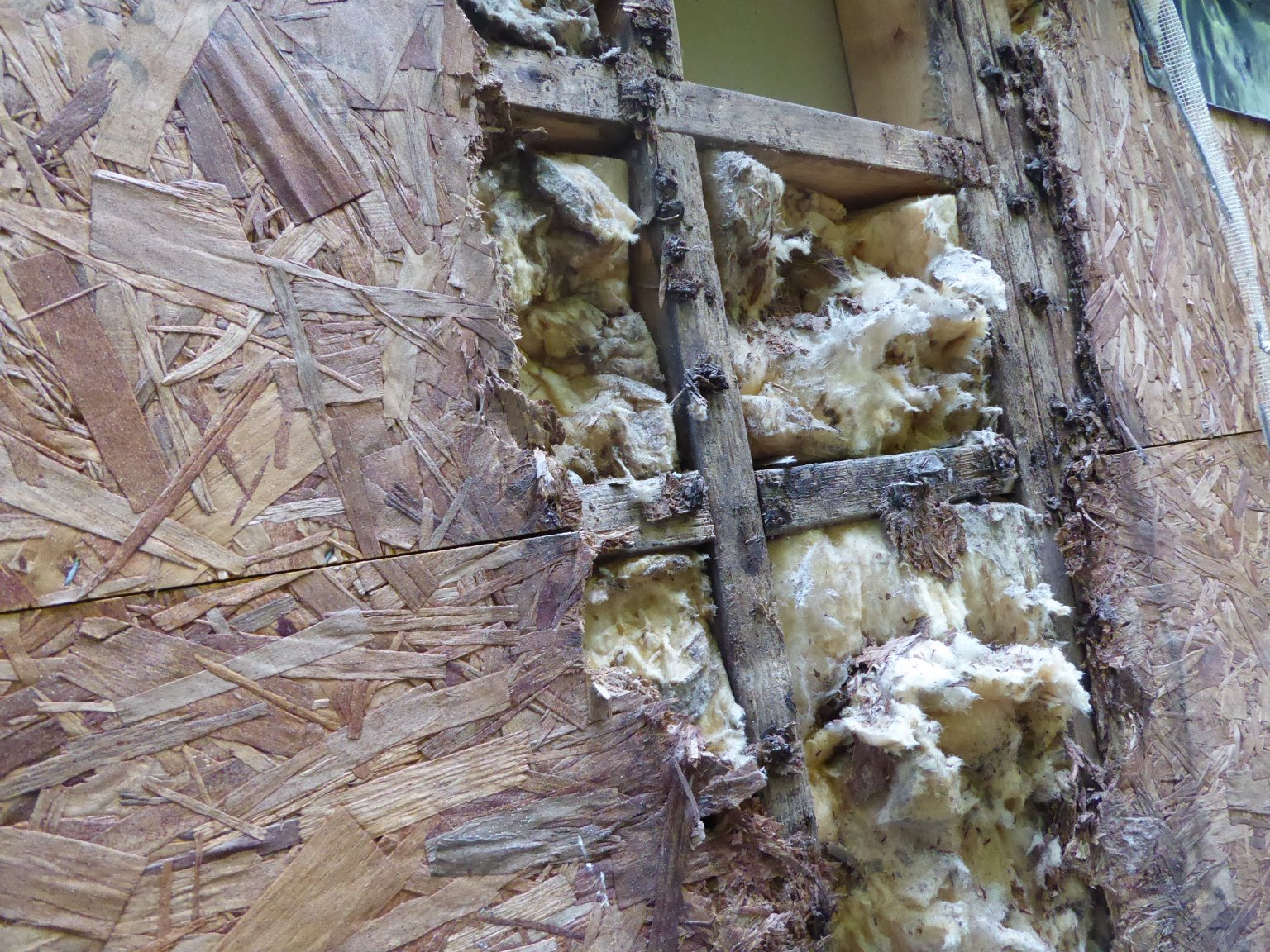
Once a termite infestation has been identified, it’s important to know the true scope of the problem. While the first observation of termites may only include a small area, we’ve seen termite colonies follow beams, joists and other framing members across entire structures. Pulling up a few pieces of cladding or checking behind one section of drywall may miss major termite damage hiding elsewhere.
At Highpointe DBR, we conduct extensive inspections to find out the real extent of the damage. Unlike a local handyman or do-it-yourselfer, we know construction engineering from the inside out. Our team digs deep to identify the damage and the underlying cause of the problem that allowed termites to gain a foothold in the first place.
Repairing the Damage the Right Way
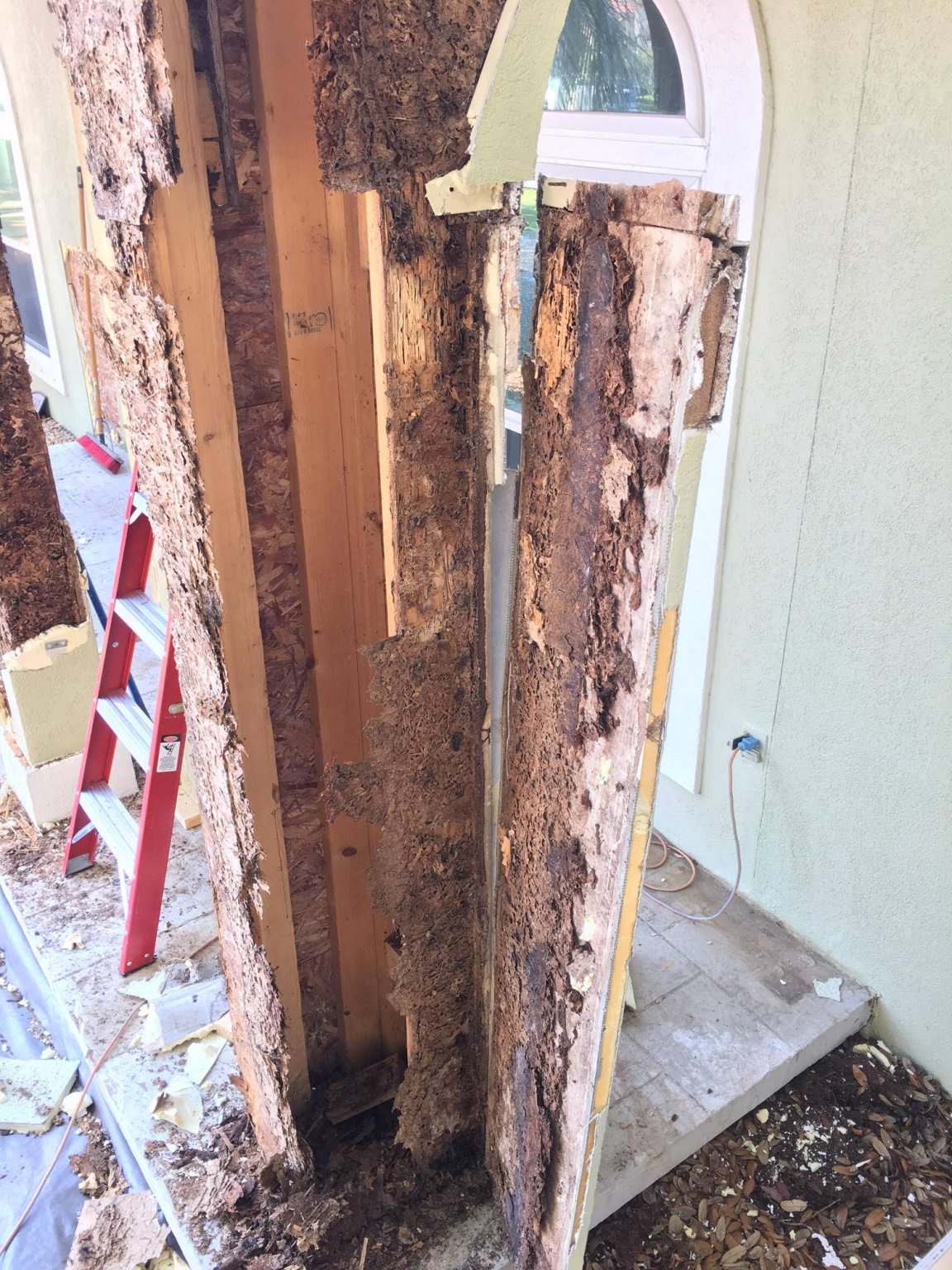
Once the scope of the problem has been determined, our team of termite damage repair specialists get to work. Depending on the locations we’ve identified, this may mean removing exterior cladding, drywall on walls or ceilings, or floor covering to access the damaged areas.
We then repair or replace the damaged wood, and re-install windows and doors properly to maintain the building envelope. We also check, repair or replace all water intrusion prevention measures in the area such as flashing, caulking and moisture barriers.
Call Highpointe DBR for Experienced Termite Damage Repair
If you suspect termite or water intrusion damage in your home, put our experienced team to work for you. Call us at 850-455-0509 and speak to our restoration, design and construction professionals with extensive experience in identifying and repairing termite damage.
Frequently Asked Questions
Why Termite Damage Occurs on the Gulf Coast
Termite damage almost always starts as a water problem. Warm, humid conditions along the Gulf Coast, from Pensacola and Pensacola Beach down through Gulf Breeze, Navarre, and Perdido Key, create ideal conditions for termites once moisture gets into a wall cavity. A homeowner usually calls us first about water damage, not termites. Discolored or water-stained ceilings, failing paint on windowsills and trim, and mold or mildew on walls and floor coverings are typically the first signs something is wrong.That moisture intrusion can come from faulty plumbing, failed or improperly applied caulking, or windows and doors that weren’t installed correctly in the first place. Once water gets behind the wall, it creates a warm, dark, enclosed environment where termites can feed and build large colonies undisturbed.
That moisture intrusion can come from faulty plumbing, failed or improperly applied caulking, or windows and doors that weren’t installed correctly in the first place. Once water gets behind the wall, it creates a warm, dark, enclosed environment where termites can feed and build large colonies undisturbed.
Determining the Scope of the Damage
The true scope of termite damage is rarely as small as it first looks, and an inspection has to check every framing member a colony could have reached, not just the spot where damage was first noticed. What starts as a small visible patch can follow beams, joists, and other framing members across an entire structure. Pulling up a few pieces of cladding or checking behind one section of drywall can easily miss major termite damage hiding elsewhere in the home.
Homeowners in Milton and Pace, where many properties back up to wooded lots and higher humidity pockets, often see termite colonies travel further into a structure before they’re discovered. At Highpointe DBR, we conduct extensive inspections to uncover the real extent of the damage. We know construction engineering from the inside out, which means we’re digging for both the damage itself and the underlying cause that let termites gain a foothold in the first place.
Repairing the Damage the Right Way
Once the scope of the problem is fully mapped, our termite damage repair specialists get to work. Depending on where the damage runs, that may mean removing exterior cladding, drywall on walls or ceilings, or flooring to access the affected framing.
From there, we repair or replace the damaged wood and reinstall windows and doors correctly to maintain the building envelope. Flashing, caulking, and moisture barriers get checked, repaired, or replaced in the same visit, since leaving the original water source unaddressed just invites termites back in.
Termite Damage Restoration Across Pensacola, Pensacola Beach, Gulf Breeze, Navarre, Perdido Key, Milton, Pace & Destin
Highpointe DBR provides termite damage restoration and structural termite repair throughout Northwest Florida. We regularly repair termite damaged framing, beams, and joists in older homes near downtown Pensacola, waterfront properties on Pensacola Beach and Perdido Key, and newer construction in Gulf Breeze, Navarre, Milton, Pace, and Destin. Every job gets the same forensic approach: find the moisture source, map the true extent of the termite damage, and rebuild the structure so the same failure doesn’t happen twice.
Call Highpointe DBR for Experienced Termite Damage Repair
If you suspect termite or water intrusion damage in your home, put our experienced team to work for you. Call us at 850-455-0509 to speak with our restoration, design, and construction professionals, serving Pensacola, Pensacola Beach, Gulf Breeze, Navarre, Perdido Key, Milton, Pace, and Destin.
Frequently Asked Questions About Termite Damage Restoration
What are the signs of termite damage in a home?
Discolored or water-stained ceilings, paint failing on windowsills and trim, soft or spongy spots in wood, and mold or mildew on walls are the most common early signs. Because termite damage almost always starts with a hidden moisture problem, many homeowners notice water damage symptoms well before they ever see a termite. A hollow sound when tapping on wood trim or framing is another strong indicator that a professional inspection is needed.
How is termite damage different from wood rot?
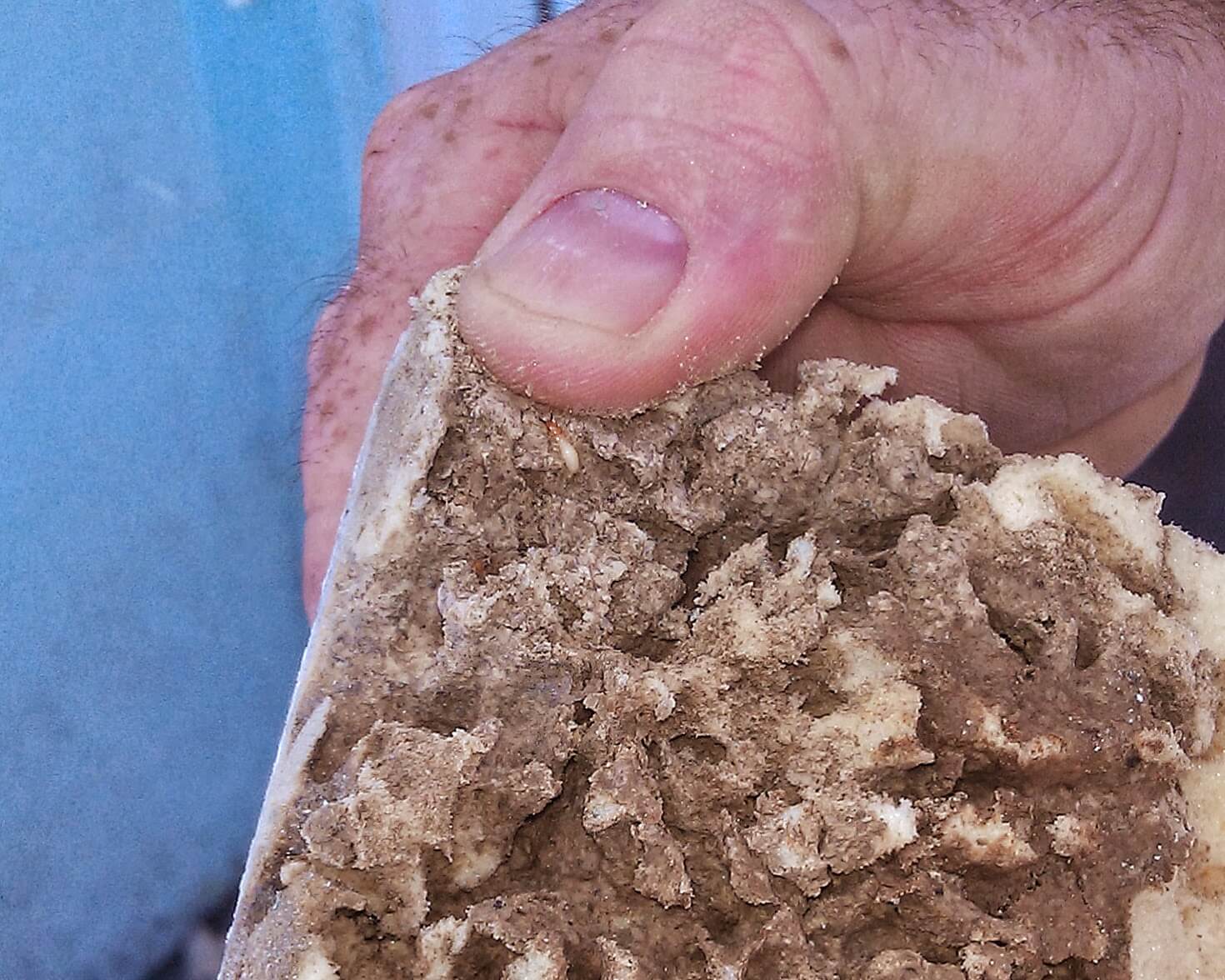
Wood rot is caused by fungal decay from prolonged moisture exposure, while termite damage comes from insects actively consuming the wood fibers. Termite damaged wood often shows tunneling patterns or a honeycombed interior once the surface is opened up, whereas rot tends to crumble or feel spongy throughout. In practice, the two frequently occur together, since the moisture that causes rot also creates the conditions termites need to move in.
termite damage be hidden behind walls or floors?
Yes, and it’s one of the biggest risks with a termite infestation. Colonies travel along framing members, beams, and joists behind finished surfaces, so the visible damage in one spot is rarely the full picture. That’s why Highpointe DBR conducts extensive inspections rather than spot-checking a single area, since a colony that started near a bathroom or window can spread much farther through a structure before anyone notices.That moisture intrusion can come from faulty plumbing, failed or improperly applied caulking, or windows and doors that weren’t installed correctly in the first place. Once water gets behind the wall, it creates a warm, dark, enclosed environment where termites can feed and build large colonies undisturbed.
How long does termite damage restoration take?
Timelines depend entirely on how far the damage has spread and whether structural framing needs to be replaced. A contained repair involving a small section of drywall and trim might wrap up in a few days, while a project that requires removing exterior cladding and rebuilding beams or joists can take several weeks. We provide a specific timeline once our inspection identifies the true scope of the damage.That moisture intrusion can come from faulty plumbing, failed or improperly applied caulking, or windows and doors that weren’t installed correctly in the first place. Once water gets behind the wall, it creates a warm, dark, enclosed environment where termites can feed and build large colonies undisturbed.
Does homeowners insurance cover termite damage repair?
Most standard homeowners insurance policies treat termite damage as a preventable maintenance issue and exclude it from coverage. Coverage is more likely when the termite damage resulted from a covered peril, such as a sudden plumbing failure that led to the moisture intrusion, which is why our team documents the underlying water source carefully. Highpointe DBR’s insurance appraisal and expert witness experience helps homeowners understand where their specific policy may or may not apply.That moisture intrusion can come from faulty plumbing, failed or improperly applied caulking, or windows and doors that weren’t installed correctly in the first place. Once water gets behind the wall, it creates a warm, dark, enclosed environment where termites can feed and build large colonies undisturbed.
What causes termites to be attracted to a home in the first place?
Moisture is almost always the trigger. Faulty plumbing, failed caulking, or improperly installed windows and doors let water into wall cavities, creating the warm, dark, damp environment termites need to feed and build a colony. Homes along the Gulf Coast, from Pensacola Beach to Gulf Breeze and Navarre, face this risk year-round given the region’s humidity, which makes routine moisture checks especially important.
Can termite-damaged wood be repaired, or does it need to be replaced?
It depends on how much structural integrity the wood has lost. Lightly affected trim or non-structural elements can sometimes be treated and repaired, but framing members, beams, and joists with significant termite damage generally need to be removed and replaced to keep the structure safe. Our team evaluates each piece of damaged wood individually rather than applying a blanket rule to the whole project.That moisture intrusion can come from faulty plumbing, failed or improperly applied caulking, or windows and doors that weren’t installed correctly in the first place. Once water gets behind the wall, it creates a warm, dark, enclosed environment where termites can feed and build large colonies undisturbed.
How much does termite damage restoration cost?
Cost varies widely based on the extent of the structural damage, how much cladding, drywall, or flooring has to come out to access it, and whether beams or joists need replacement. A small, contained repair costs far less than a project involving multiple framing members across a structure. Highpointe DBR provides a detailed estimate after our inspection maps the full scope of the damage, so homeowners aren’t guessing at the number.That moisture intrusion can come from faulty plumbing, failed or improperly applied caulking, or windows and doors that weren’t installed correctly in the first place. Once water gets behind the wall, it creates a warm, dark, enclosed environment where termites can feed and build large colonies undisturbed.
Do you provide termite damage restoration in Pensacola Beach, Gulf Breeze, Navarre, Perdido Key, Milton, Pace, and Destin?
Yes. Highpointe DBR repairs termite damage throughout Northwest Florida, including Pensacola, Pensacola Beach, Gulf Breeze, Navarre, Perdido Key, Milton, Pace, and Destin. Coastal and near-coastal properties in these areas face similar humidity and moisture challenges, so our inspection and repair process stays consistent no matter which of these communities a home is in.
How can homeowners prevent termite damage from returning after repairs?
Preventing a repeat infestation comes down to controlling moisture. After repairs, we check, repair, or replace flashing, caulking, and moisture barriers so water can’t get back into the wall cavity, since that’s the root cause termites depend on. Homeowners should also schedule periodic termite inspections and address any new water stains, soft trim, or plumbing leaks quickly rather than waiting for damage to spread.That moisture intrusion can come from faulty plumbing, failed or improperly applied caulking, or windows and doors that weren’t installed correctly in the first place. Once water gets behind the wall, it creates a warm, dark, enclosed environment where termites can feed and build large colonies undisturbed.